



Waste Regulations
Resource Hub

Find the latest updates on waste regulations.

If you can’t find what you need, contact us!

(866) 315-8116

Hazardous and Non-Hazardous Waste Disposal: Why Businesses Must Comply

Hazardous and Non-Hazardous Waste Disposal: Why Businesses Must Comply

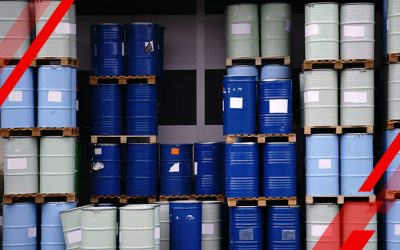
If your business produces any hazardous or non-hazardous materials, you likely already know that you need to dispose all of it safely and legally. What types of businesses must comply with these laws? What constitutes hazardous rather than non-hazardous materials? Most importantly, why are all these regulations about hazardous and non-hazardous waste disposal important to your business?
read more
How Do Businesses and Universities Dispose of My Hazardous Waste?

How Do Businesses and Universities Dispose of My Hazardous Waste?

Test If your university, company or facility generates hazardous waste, you need to do test everything in your power to avoid improper hazardous waste disposal. Take steps to make sure that all waste, and especially hazardous waste is disposed of properly and safely. This process involves numerous steps, knowledge of hazardous waste laws, and attention to details. If your business or university needs to dispose of hazardous waste, know that YOU are the responsible party throughout the waste transfer process, even after it has been transported off-site for disposal.

read more
Best Practices for Veterinarians to Remove Biohazardous Medical Waste

Best Practices for Veterinarians to Remove Biohazardous Medical Waste

It’s not surprising that doctors’ offices and hospitals needs to properly and legally dispose of all the biohazardous materials generated in that facility. However, the exact same rules apply to veterinarians, yet many are not fully complying with the legal regulations surrounding that waste disposal. If you work in a veterinarian’s office, it is crucial that you comply with every law dealing with biohazardous material.  

read more
How Medical Waste is Treated and Disposed

How Medical Waste is Treated and Disposed

Treatment and disposal methods of medical waste relies on the type of waste. Hazardous waste treatment and disposal regulations are different than regulations for non-hazardous waste. All medical waste needs to be identified and segregated to ensure that proper management processes are involved, following federal and state guidelines.

read more
Proper Ways to Collect and Transport Industrial Waste

Proper Ways to Collect and Transport Industrial Waste

Following proper ways to collect and transport industrial waste is vital, especially with increasingly specific laws focused on protecting the environment. Any generator of industrial waste must manage and dispose of it properly and in compliance with federal and state and local laws.

read more
Hazardous Waste… Are You a Small or Large Quantity Generator?

Hazardous Waste… Are You a Small or Large Quantity Generator?

If you generate any hazardous materials in your line of work, it’s imperative you know your EPA generator status. Whether you’re a large quantity generator or a conditionally exempt small quantity generator or in between, your status dictates important aspects of how you store, transport, and report on your waste. Failure to comply with federal and state regulations and laws that apply to your status could result in steep fines.

read more
Consequences of Not Knowing a Waste Management Contract Renewal Date

Consequences of Not Knowing a Waste Management Contract Renewal Date

If your medical facility has a waste management contract, it is very important that you know exactly when your contract comes up for renewal, especially if you’re not happy with your current services. If you lose track of it and accidently allow that contract to automatically renew, it very well could end up costing your medical facility a great deal of time, money, and frustration.

read more
Are Emergency Response Numbers Required on Hazardous Waste Manifests?

Are Emergency Response Numbers Required on Hazardous Waste Manifests?

One of the most important aspects of handling, transporting, and properly disposing of hazardous waste is obviously safety. Preparation for potential emergencies needs to be in place in case something unexpected happens during transport, especially in regard to hazardous waste. One such security measure is the inclusion of emergency response numbers on the hazardous waste manifest.

read more
Hazardous Glass & Plastic Disposal

Hazardous Glass & Plastic Disposal

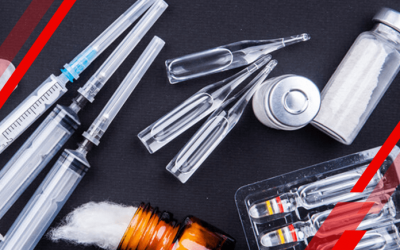
Whether you’re dealing with a broken beaker, discarded slides, or a used syringe barrel, hazardous glass and plastic waste should be categorized and disposed of according to its type and use. Though such items often appear harmless, the truth can be alarming, especially in healthcare or pharmaceutical industries. The process for safe hazardous glass and plastic disposal starts with proper identification.

read more

Categories

Archives