



/ IN THIS BLOG
Every clinic and healthcare facility generates some form of medical waste. From sharps containers in small practices to chemical byproducts in larger hospitals, this waste poses unique health, safety, and even environmental risks. That’s why the Occupational Safety and Health Administration (OSHA) and the Environmental Protection Agency (EPA) have strict standards for how it must be handled, transported, and disposed of. But beyond these general requirements often lie more specific and stringent state rules, which also need to be strictly followed.
For medical office and clinic managers, the stakes are high. Failure to follow hazardous medical waste regulations can lead to significant fines, legal penalties, and reputational harm. Beyond fines, improper handling puts staff and patients at risk of exposure to infectious materials, chemical burns, or sharps injuries.
But compliance doesn’t have to feel overwhelming. By breaking down the process into clear steps, healthcare facilities can protect employees, safeguard their communities, and reduce liability. Here, learn the steps to take to proactively practice compliance and reduce the risk to patients, staff and beyond.
01 / Step 1: Identify Hazardous Medical Waste
The first step toward compliance is knowing exactly what types of waste your facility generates. Hazardous medical waste can include contaminated sharps, chemicals, pharmaceuticals, and any material that poses an infectious, corrosive, reactive, or toxic risk. OSHA’s Hazard Communication Standard requires that these hazards be communicated clearly to staff through Safety Data Sheets (SDSs) and proper labeling.
Accurate identification determines how waste must be packaged, stored, transported, and ultimately treated. Misclassifying a hazardous item as non-hazardous could result in an OSHA citation, EPA violation, or worse, employee injury. Sharps incorrectly thrown into regular trash, for example, create immediate exposure risks for custodial staff.
Facilities often rely on SDS documentation, internal audits, or professional waste disposal partners to make sure classification is correct. Investing time in this step saves cost and liability downstream by ensuring every waste stream is handled according to OSHA and EPA requirements.
Why it matters: Proper identification lays the foundation for OSHA compliance, protects employees from exposure, and reduces the risk of fines and legal action.
02 / Step 2: Package Waste Safely
Once hazardous medical waste is identified, it must be packaged correctly to protect workers and meet regulatory standards. OSHA’s Bloodborne Pathogens Standard focuses on on-site safety and requires that sharps and other infectious materials be placed in containers that are puncture-resistant, leakproof, and clearly labeled. For larger volumes, healthcare facilities must also use DOT-approved containers. These can range from small pails to 55-gallon drums and are designed to prevent leaks and spills during handling and transport.
Improper packaging is one of the most common causes of violations. If containers fail or are not properly labeled, staff may be exposed to contaminated materials, and regulators may issue citations. The cost of noncompliance extends beyond fines: workplace injuries, workers’ compensation claims, and reputational damage can quickly escalate.
Facilities should train staff to use the right containers for each waste type and inspect packaging areas regularly. Partnering with a medical waste disposal provider ensures access to compliant containers and proper training for handling them.
Why it matters: Safe, compliant packaging protects employees, reduces the chance of spills or injuries, and shields healthcare facilities from costly OSHA fines.
03 / Step 3: Obtain Facility Approval
Before hazardous medical waste can leave your facility, it must be approved by the treatment or disposal facility that will receive it. This requires completing a waste profile sheet, Uniform Hazardous Waste Manifest, or state-specific medical waste manifest. This is a document that details the type, composition, and volume of the waste. The receiving facility reviews this information to confirm it can safely handle the material. Only after approval is granted will the waste be scheduled for pickup and transport.
This step safeguards both the generator and the receiving site. Incomplete or inaccurate profiles can delay shipments, create storage problems, or even result in rejected loads. OSHA expects employers to ensure hazardous waste is stored safely until it is transported, and prolonged accumulation increases compliance risk.
Sometimes facilities will request additional details or laboratory analysis to verify the waste’s properties. While this may feel like a delay, it ensures safety and regulatory compliance throughout the chain of custody.
Why it matters: Waste profiling prevents dangerous surprises at the treatment facility, ensures proper handling, and keeps healthcare providers aligned with OSHA and EPA compliance expectations.
04 / Step 4: Complete Required Documentation
Proper documentation is the backbone of hazardous medical waste compliance. Every shipment must include three critical elements:
Hazardous Waste Manifest – Tracks the waste from generator to final disposal and includes the correct EPA waste codes.
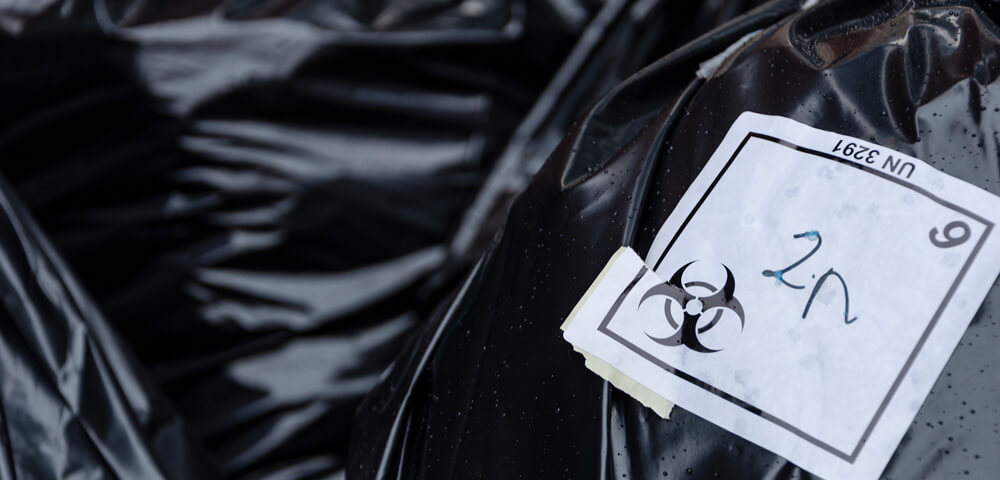
Hazardous Waste Label – Clearly identifies the contents, hazards, and accumulation start date.
DOT Placard – Placed on the transport vehicle to indicate hazardous materials are onboard, required for only certain materials.
Together, these documents create accountability and transparency across the entire disposal chain. They also provide proof of compliance in the event of an inspection or audit. Missing or inaccurate paperwork is one of the fastest ways a healthcare facility can face citations or fines.
Beyond regulatory penalties, incomplete documentation can create delays, rejected shipments, and exposure risks if waste is misrouted. Keeping meticulous records ensures your facility can demonstrate compliance at any time.
Why it matters: Proper documentation keeps healthcare providers compliant, minimizes the risk of fines, and protects against liability if a shipment is questioned during transport or at the treatment facility.
05 / Step 5: Prepare for Transport
With approvals and documentation in place, the next step is preparing hazardous medical waste for transport. This involves sealing all containers, verifying labels, and ensuring the load meets Department of Transportation (DOT) requirements. In some cases, such as when handling chemotherapy waste, placards must be affixed to vehicles, and manifests should be ready for inspection.
Transport should only be conducted by licensed, DOT-trained drivers with the appropriate permits and insurance. During transit, trucks carrying hazardous waste may be subject to inspection at weigh stations or roadside checks. Officials may review manifests, examine containers, and verify driver qualifications. Any gaps in compliance can result in immediate fines or shipment delays.
For healthcare facilities, the critical point to remember is cradle-to-grave liability. Even once waste leaves your property, your organization remains responsible for it until final treatment or disposal. Selecting a trusted, fully certified transporter reduces risk and ensures shipments stay compliant throughout the journey.
Why it matters: Proper preparation for transport prevents delays, ensures regulatory compliance, and shields healthcare providers from liability if accidents or inspections occur.
06 / Step 6: Treatment & Final Disposal
The final stage in the hazardous medical waste lifecycle is treatment and disposal at a licensed facility. Depending on the type of waste, common methods include incineration, autoclaving, fuel blending, stabilization, or secure landfill placement. Each method is tightly regulated to minimize risks to human health and the environment.
Generators play a key role here, even if the waste is no longer on-site. Under cradle-to-grave responsibility, your facility remains legally accountable for how the waste is ultimately handled. This is why choosing a reputable disposal partner matters so much. A certified treatment facility not only ensures federal and state compliance but also provides documentation confirming that waste has been processed correctly.
Failing to verify final treatment can lead to liability if waste is mishandled downstream. Beyond fines, noncompliance can damage a facility’s reputation, erode patient trust, and put employees at risk of exposure.
Why it matters: Final disposal closes the compliance loop. Partnering with trusted providers guarantees that hazardous medical waste is treated safely, legally, and in a way that protects your facility from long-term liability.
07 / Beyond Fines: The Real Impact of Noncompliance
OSHA fines in healthcare can be steep. Violations of the Bloodborne Pathogens Standard alone can exceed tens of thousands of dollars per citation. But financial penalties are only part of the picture.
Noncompliance can lead to:
Employee injuries from sharps, chemical burns, or infectious exposure.
Loss of accreditation or licenses if regulators identify unsafe practices.
Legal liability from lawsuits or workers’ compensation claims.
Reputational damage that erodes patient trust and community confidence.
Healthcare facilities operate under intense public and regulatory scrutiny. A single high-profile incident, whether an OSHA fine or an exposure event, can have long-lasting consequences beyond the immediate financial hit. With state compliance varying by region and location, it’s not enough today to just meet federal minimum requirements.
But, by building compliance into daily operations, your clinic or healthcare facility can effectively protect employees, preserve its reputation, and ensure patient safety. Proactive compliance is a strategic investment in your facility’s future. Avoiding fines is important, but safeguarding staff, patients, and your reputation is what truly protects the organization long term.
08 / Protect Your Healthcare Facility With Full-Service Medical Waste Management
For nearly 30 years, MCF Environmental Services has helped medical facilities manage hazardous waste safely and efficiently. From proper packaging and manifests to cradle-to-grave accountability, our team ensures every step is completed correctly. Partner with MCF to simplify compliance and protect your facility from risk.
With so much on the line, MCF can help you with one or all of the steps described above. Don’t try to navigate federal, state, and local regulations on your own. MCF helps healthcare organizations create a cost-effective plan that provides complete compliance to deliver peace of mind and security to your staff, patients, and leadership. Reach out to begin the process on the right foot.
Robert Losurdo
President, COO