



/ IN THIS BLOG
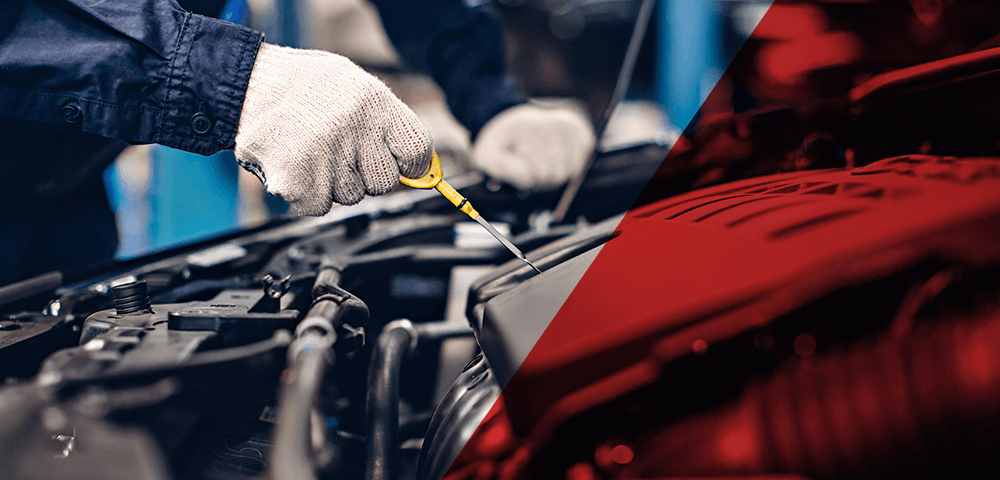
Automotive repair shops generate more hazardous waste than most people realize. Used oil, brake fluid, solvents, spent antifreeze, batteries, and even shop rags can all fall under regulated waste. Whether you’re running a national chain, a dealership service department, or an independent garage, understanding your automotive hazardous waste responsibilities is critical to staying compliant with state and US federal laws.
But the rules aren’t simple and while your team may be experts in all parts of car repair, they may not automatically know how to remain hazardous waste compliant. Regulations vary based on how much waste you generate, what type it is, how it’s stored, and how it’s removed from your facility. And with ongoing changes like the EPA’s e-Manifest system, compliance is only becoming more complex.
Working with a full-service waste management partner who knows the regulations inside and out can take the burden off of your shop. Still, it’s helpful to know the basics about waste handling, from everyday disposal to long-term liability, so you can choose the right waste management service, avoid fines and focus on running your business as efficiently and safely as possible.
01 / What Counts as Hazardous Waste in an Auto Shop?
If your shop works on vehicles, you’re almost certainly generating waste that’s regulated under state and federal hazardous waste laws, even if you only handle small quantities. The challenge is that many of these materials look harmless until they’re spent, contaminated, or mixed.
Here are some of the most common types of automotive hazardous waste:
Used oil and oil filters – Even though used oil can be recycled, it’s still regulated. Filters need to be drained and properly stored.
Brake fluid and transmission fluid – Often overlooked, these chemicals are considered hazardous once removed from a vehicle.
Spent solvents and degreasers – Many are used in parts washers or cleaning engines and they typically contain toxic or flammable compounds.
Antifreeze (ethylene or propylene glycol) – These are classified as hazardous if they’ve been contaminated with heavy metals or fuel.
Batteries – Lead-acid batteries and lithium batteries are both regulated under universal waste rules.
Contaminated rags and absorbents – If soaked with oil, solvent, or fuel, rags and other absorbents must be managed as hazardous or industrial waste.
Paints, primers, and aerosols – These materials are especially common in body shops and are subject to hazardous waste storage and disposal rules.
Mercury switches and components – Less common than other hazardous materials, these are typically found in older vehicles, especially in their lighting or trunk/hood sensors.
What triggers regulation isn’t always the material itself, it’s also how it’s used and disposed of. If it’s flammable, toxic, reactive, or corrosive, it may fall under EPA hazardous waste compliance. Even common items can require careful handling once they’re considered waste.
Failing to manage these materials correctly can lead to environmental violations and steep penalties, even for small shops.
02 / Hazardous Waste Generator Status and Why It Matters for Automotive Shops
How much hazardous waste your shop generates each month determines your generator status. This status determination will then affect everything from how you store waste to how often you need pickups, inspections, and documentation.
The EPA breaks hazardous waste generators into three categories:
Very Small Quantity Generator (VSQG): Generates less than 220 pounds of hazardous waste per month. Requirements are lighter, but waste still must be disposed of properly.
Small Quantity Generator (SQG): Generates between 220 and 2,200 pounds per month. Requires registration, proper labeling and storage, and regular waste removal.
Large Quantity Generator (LQG): Generates more than 2,200 pounds per month. Requires full compliance with RCRA, including contingency plans, employee training, reporting, and manifesting through the e-Manifest system.
Many mechanic shops fall into the VSQG or SQG categories, but it’s easy to cross the line, especially during busy months or when storing multiple types of regulated waste. A few barrels of used solvent, brake fluid, or contaminated absorbents can quickly bump you into a higher category.
Misclassifying your generator status can result in violations or fines. A professional hazardous waste disposal partner can help assess your volume and ensure correct categorization. At MCF Environmental, we help you through the process and will adjust your pickup schedule accordingly to ensure you remain compliant.
03 / Proper Storage, Labeling, and Containment for Auto Mechanics
Even if your shop generates a relatively small amount of waste, how you store and label it matters just as much as how you dispose of it. Improper storage is one of the most common reasons auto shops get cited during inspections. But these oversights are easily avoided with the proper guidance.
Your mechanic shop needs to keep in mind several points:
Use compatible containers – Waste oil, solvents, and fluids must be stored in containers that won’t react with their contents. Never use open buckets, plastic jugs, or unsealed drums.
Keep containers closed – Lids must be tightly sealed when not in use. Open containers, even partially, are a violation.
Label everything – Containers must be clearly marked with the words “Hazardous Waste” (or the correct label type), include the specific contents, and show the accumulation start date.
Watch your accumulation limits – Depending on your generator status, you may only be allowed to store a limited amount of hazardous waste on-site at one time.
Use secondary containment – Flammable liquids and oil-based wastes must be stored on spill-proof pads or within containment berms to prevent environmental releases.
For universal wastes like batteries, aerosol cans, and bulbs, there are slightly different labeling and storage rules. They will still require care and documentation so it’s important not to overlook these finer details.
If you’re unsure whether your current setup meets federal or state standards, a waste management partner can audit your storage areas, identify risks, and help put proper safeguards in place before an inspector ever walks in. MCF Environmental has helped many auto mechanic shops in Georgia and beyond.
04 / Transportation, Documentation, and the e-Manifest System
Once your hazardous waste is ready to leave the shop, compliance doesn’t end. How it’s transported, tracked, and recorded is just as important as how it’s handled onsite. Don’t let choosing an unreliable waste hauler put your business at risk. Follow these rules of the road when it comes to moving hazardous waste out of your location.
Only ever use licensed transporters
You can’t legally haul your own hazardous waste unless you’re permitted to do so. Shops must work with a transporter that’s licensed to handle the specific types of waste you generate.
Make sure to use proper manifests and tracking
Most hazardous waste shipments require a manifest, which is a document that tracks the waste from your facility to its destination. It includes details like the type of waste, quantity, container type, and receiving facility information. This is a legal document and must be retained for at least three years.
Learn the e-Manifest system
Understand cradle-to-grave responsibility
Remember: you’re legally responsible for your waste until it’s properly treated or disposed of, even after it leaves your shop. That’s why complete, accurate documentation and trustworthy transporters are non-negotiable.
Working with a full-service waste management provider will give your shop peace of mind. A qualified partner handles all the paperwork, uses licensed carriers, and ensures you’re covered if the rules shift, which means a lot less details for you to stress over.
05 / Automotive Waste Recycling vs. Disposal: What’s Allowed?
Not all waste has to go straight to disposal. In many cases, recycling can be a safer, more sustainable, and cost-effective option. But it has to be done correctly.
Used oil and antifreeze
Solvents and brake cleaners
Contaminated materials
06 / Onsite Safety, Storage, and Employee Training
Storage best practices
Labeling and segregation
Training requirements
Partner with an Experienced Full-Service Waste Management Company: MCF Environmental for Automotive Hazardous Waste
Managing hazardous waste in-house puts a heavy burden on any automotive shop. Regulations are detailed, change frequently, and carry steep penalties for even small missteps. A trusted waste partner makes that burden manageable.
MCF Environmental takes care of waste profiling, transport, manifests, and disposal, while keeping you informed about rule changes like e-Manifest registration and reporting. You’ll have fewer compliance risks, lower liability, and more time to focus on your core business. Enjoy the peace of mind that comes with having an industry leader maintaining your full hazardous waste compliance. Contact MCF today for all of your hazardous waste needs.
Robert Losurdo