


/ IN THIS BLOG
Expired chemical disposal, particularly what to do in terms of unknown chemical disposal isn’t usually a priority until there’s an issue that needs to be addressed. But these scenarios are actually quite common.
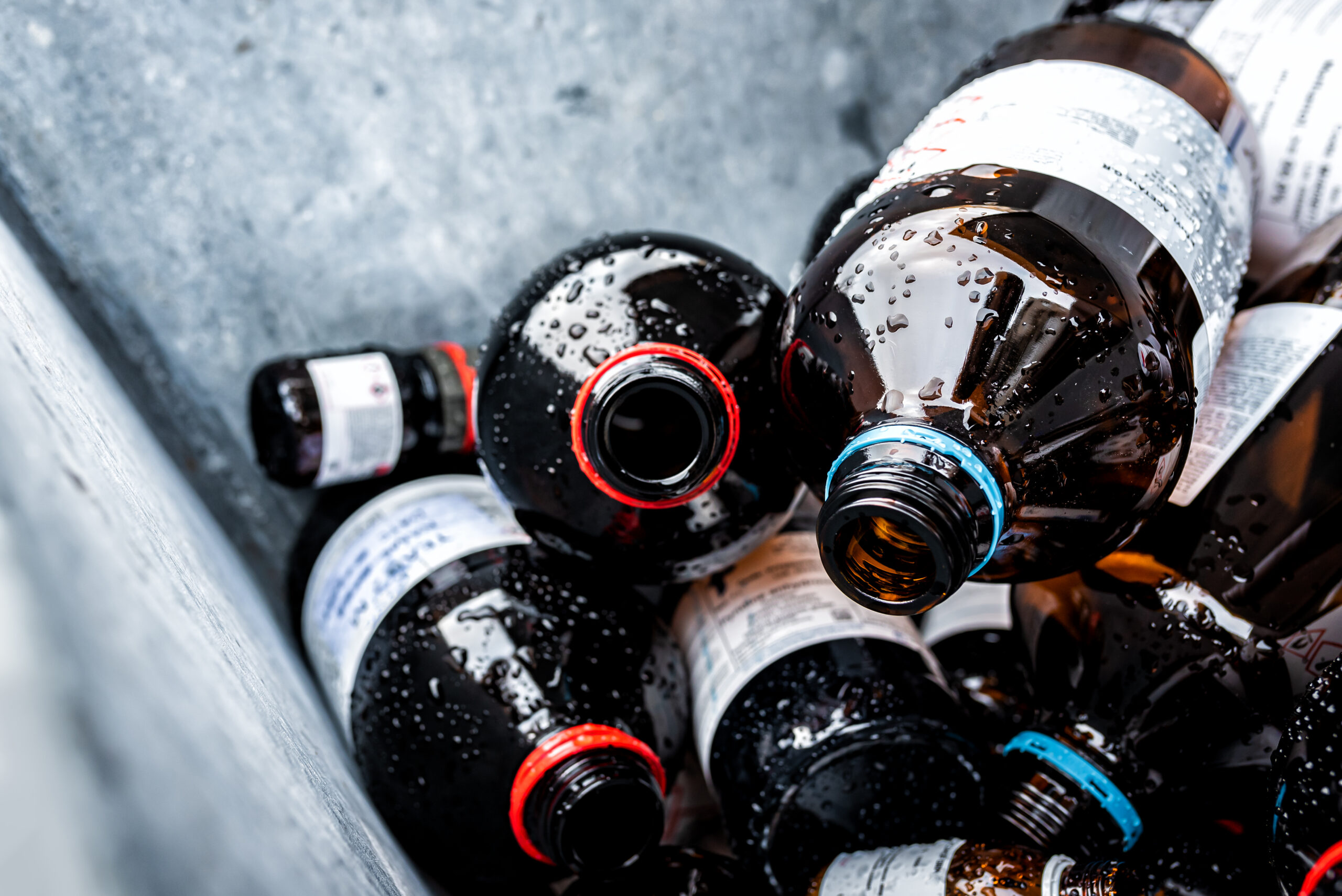
A long-tenured researcher retires at a college or a university department changes hands and there’s leftover chemicals that need to be dealt with. But it’s not just in educational settings; manufacturing and research labs run into similar dilemmas when a facility undertakes a major operational overhaul or moves locations. In the shuffle, unlabeled bottles get discovered, chemicals with dates that expired a decade ago are revealed and containers whose contents no one can confidently identify suddenly become top of mind.
From hospital and clinical laboratories, pharmaceutical and biotech facilities, industrial plants, K–12 schools, university research departments to government testing environments, wherever chemicals are used, legacy waste accumulates. It often sits quietly unnoticed, until it becomes an urgent problem.
Unknown and expired chemicals can represent a real physical danger and serious regulatory threat, which means they are also a significant financial liability. No facility manager wants to discover these items during an unannounced EPA inspection.
So rather than recognize such exposure when it’s become a problem, it’s helpful to take a proactive approach to ensure such dangers don’t get overlooked. Since it’s easy for inventories to go unmaintained during staff transitions and storage rooms to accumulate materials that predate current safety protocols, the key is to know what to do when such an oversight happens.
01 / Why Expired and Unknown Chemicals Are a High-Risk Problem
Expired and unknown chemicals need to be treated seriously, because of the multiple, simultaneous risks they carry to physical safety, regulatory compliance, and institutional liability.
While it’s easy to think that an old chemical is less dangerous, the truth of the matter is that chemicals don’t simply lose effectiveness over time. Many actively change in ways that make them actually more dangerous as they age. Did you know that solvents oxidize, reactive compounds destabilize, and containers that once held benign materials may now house degradation byproducts that behave unpredictably? When a chemical’s identity is unknown on top of that, there’s no safety data sheet to consult and no way to know how it might react to heat, light, or proximity to other materials in the same storage space.
Under the Resource Conservation and Recovery Act (RCRA), facilities face strict requirements around hazardous waste identification, storage, and disposal. Non-compliance (even unintentional) can carry penalties exceeding $100,000 per day, per violation. Remember, EPA inspections do not need advance notice and inspectors are always on the look out for unlabeled containers or undocumented waste.
If something were to go wrong with an unmanaged chemical, responsibility will fall squarely on the facility and its safety personnel. The longer the situation goes unaddressed, the harder it becomes to demonstrate due diligence.
02 / The Danger of “Unknown” Chemicals Specifically
When it comes to chemicals, knowledge is certainly a powerful safety driver. Expired chemicals therefore can be viewed as the lesser of two evils. They still need proper attention and disposal, but at least the original chemical is known and the risks can be managed in terms of degradation and handling.
Unknown chemicals, on the other hand, are a different problem entirely. Without a label, a record, or a knowledgeable staff member to consult, employees are often left making decisions about storage, handling, and disposal with no baseline information. That uncertainty is precisely what makes unknown chemical disposal one of the most hazardous tasks a facility can face.
A few categories deserve particular attention:
Peroxide Formers:
Ethers, THF, and similar solvents can react with oxygen over time to form organic peroxides. These compounds are shock-sensitive and can detonate from nothing more than the friction of opening a cap. Age and improper storage dramatically accelerate this risk.
Picric Acid and Other Shock-Sensitives:
Picric acid is stable when kept wet, but over time, it can dry out and when this happens, it becomes extraordinarily sensitive to friction and impact. Dried picric acid in an old container is a situation that warrants immediate professional intervention.
Corroded Gas Cylinders:
A cylinder under pressure with a compromised valve or corroded shell can become a projectile. Age and poor storage conditions make this risk far more common than many facilities realize.
These types of materials turn up regularly during lab cleanouts, particularly in environments where chemical inventories haven’t been actively managed. There are far more examples and variables that exist. It’s often impossible to predict what a cleanout might contain, which is why caution and care are so crucial to the process.
03 / Immediate Action Steps to Take When Dealing with Unknown or Expired Chemicals
If you’ve identified expired or unknown chemicals in your facility, the instinct to act quickly is understandable. But it’s best not to take any actions without the right safety plan and approach. Taking the wrong actions can be just as dangerous, or even more so, than doing nothing. Before you bring in a professional lab chemical disposal service, there is a safe, practical protocol to follow.
Isolate
Secure the area around suspect materials. If ventilation is available, ensure it’s active. Restrict access to anyone not directly involved in the assessment.
Inspect — from a distance
Look for visible warning signs: crystalline deposits around caps or lids, bulging or deformed containers, leaking seals, discoloration, or separated layers in liquids. These are indicators of potential instability.
Document
Record everything you can observe without touching the container. Note the size and shape, any legible text fragments, liquid levels, and storage conditions. Photographs are helpful. This information will be critical for hazardous chemical identification when professionals arrive.
Do not touch
This cannot be overstated. DO NOT shake, open, or attempt to move any container that shows signs of degradation. DO NOT try to re-label or consolidate unknown materials. The goal at this stage is information gathering, not remediation.
This protocol exists to protect your staff and preserve options for the professionals who will take over from here. The characterization and removal of these materials is not a task for in-house personnel. That part of the process requires trained technicians, proper equipment, and documented procedures
04 / The Chemical Characterization Process that Assists with Both Expired Chemical Disposal and Unknown Chemical Disposal
Once unknown or expired materials have been identified and isolated, the next step is characterization, which involves solving the mysteries of what those materials actually are and how they need to be handled. This is where hazardous chemical identification moves from observation to analysis, and that demands professional expertise.
You can expect this phase of the process to typically involve three phases:
Inventorying:
Technicians create a master list of all suspect containers, capturing observable details. Even partial label information, container type, and physical appearance can narrow down possibilities significantly.
Fingerprinting:
Basic field testing is used to establish key hazard properties, such as pH, flammability, reactivity with water, and oxidizer potential. These tests don’t require knowing what a chemical is. Instead, they establish what it does, which is what matters for safe handling and disposal.
Hazard Class Profiling:
Using inventory data and field test results, materials are sorted into DOT hazard classifications. This grouping determines how each material must be packaged, labeled, and transported. This information will then be included in required lab pack documentation.
Remember, this part of the process is not appropriate for internal lab staff or facility personnel, no matter how knowledgeable they are of chemicals. Mischaracterizing a reactive or shock-sensitive material during this phase is simply a risk no facility should take. Professional disposal technicians carry the training, equipment, and liability coverage that this high-risk work demands.
05 / How Professional Lab Chemical Disposal Services Work
Characterization is only one step though, it doesn’t remove the problem chemicals from your facility. A reliable full-service professional hazardous waste provider like MCF Environmental can provide both the characterization and disposal services.
Lab pack waste disposal is the industry-standard method for consolidating and disposing of small chemical containers, which is exactly what most expired chemical disposal scenarios involve. Although each case can have its own variables, here’s a generalization of what you can expect this process to look like:
Sorting and Compatibility Grouping:
Chemicals are organized by hazard class to ensure incompatible materials are never packaged together. This step alone requires the kind of working knowledge that comes from extensive field experience.
Packaging and Labeling:
Each container is properly cushioned, overpacked, and labeled in accordance with DOT requirements. This is both physical protection and transportation compliance as improper packaging is one of the most common compliance failures during transport.
Manifest Generation and Documentation:
A hazardous waste manifest is generated for every shipment. This creates the paper trail that demonstrates regulatory compliance from point of generation to final disposal. This documentation is your evidence of due diligence in the event of an audit.
Transport and Final Disposal:
Materials are transported by licensed hazardous waste carriers to permitted treatment, storage, and disposal facilities. Every step of this process should be tracked and documented.
This process removes the unknown or expired chemicals from your site and removes the liability from your location. Once your waste is in the hands of a qualified lab chemical disposal service, the regulatory and physical risks of those materials are no longer yours to carry alone. However, let’s not forget about RCRA cradle-to-grave liability for hazardous chemical waste. While the risk of unknown or expired chemicals may remove risk from your physical location, your business is still responsible for ensuring its safe transport, disposal and final resting place.
06 / Don’t Attempt to Figure Out Unknown Chemicals Alone: MCF Environmental Services Can Help
Expired and unknown chemicals are a problem that compounds over time. And while it might feel like a distraction from more pressing tasks, it’s simply not worth the risk to ignore. The longer unidentified or degraded materials sit in storage, the greater the risk to the people around the substances and your organization. While it can feel like a daunting undertaking, the good news is that you’re not alone. Facilities across every industry navigate unknown and expired chemicals successfully every day. The first step is finding the right hazardous waste partner to work with.
MCF Environmental Services has been helping laboratories, universities, manufacturers, and facility managers work through exactly these situations for decades. From the initial walkthrough to final disposal documentation, MCF manages the entire process so your team doesn’t have to carry the weight of it. MCF brings the field experience that turns a high-stakes and stressful situation into one that’s managed strategically and with safety and reliability as top priorities.
Don’t wait for an unannounced EPA inspector to walk through your door. You deserve the peace of mind that comes from having a solid paper trail that demonstrates every decision was made carefully and every material was handled by qualified professionals. That’s exactly what a partnership with MCF provides.
If you have legacy chemicals you’re unsure about, don’t wait for an incident or an inspector to turn those forgotten chemicals into a serious issue. Reach out to MCF Environmental Services today and take the first step toward getting your chemical inventory under control safely and permanently.
Robert Losurdo