MCF Environmental Services have been serving medical clinics, laboratories, education institutions and local businesses for more than 30 years, offering specialist waste collection and disposal services for hazardous and non-hazardous waste streams.
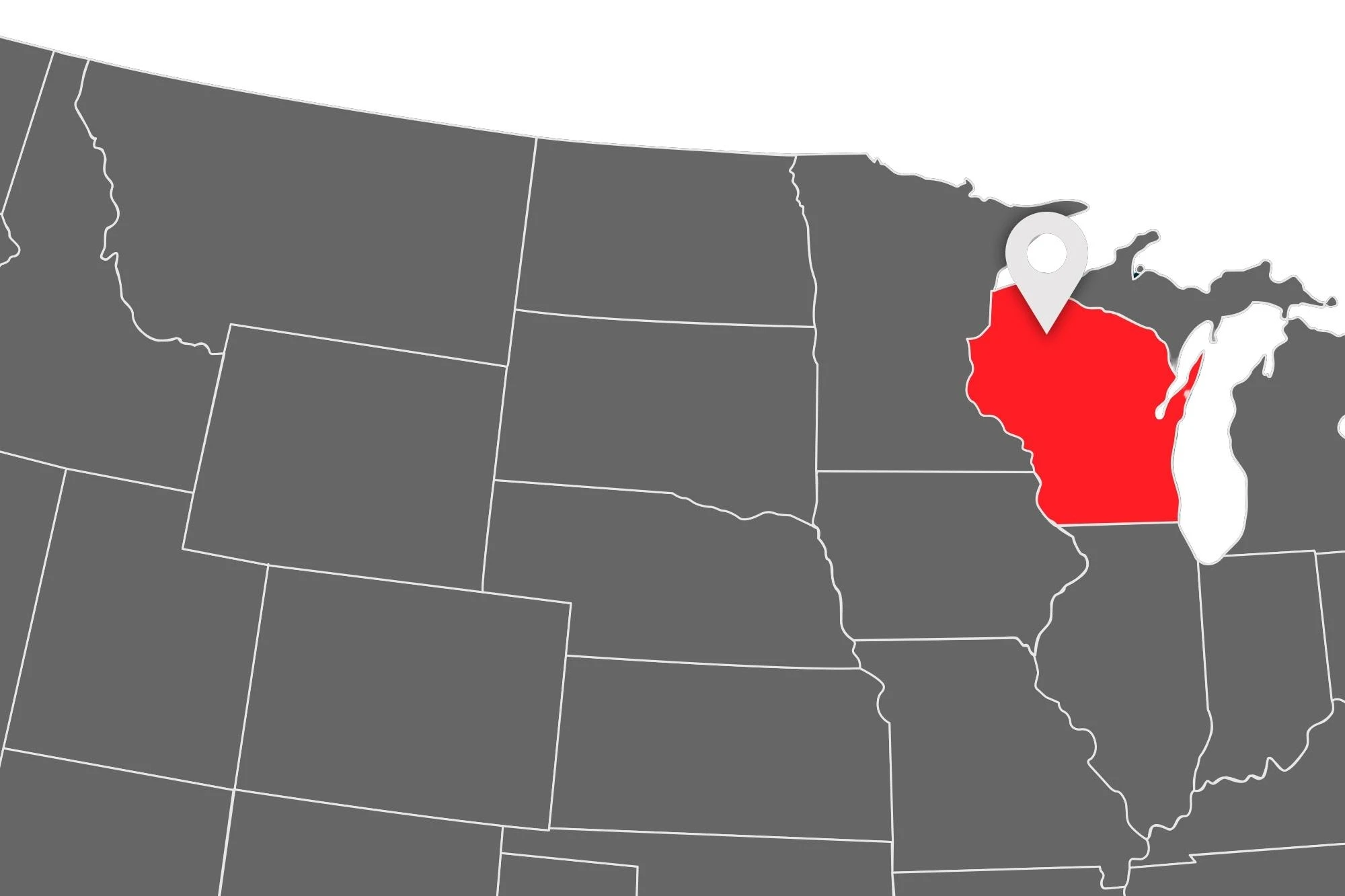
In Wisconsin, Department of Natural Resources (DNR) oversees medical and hazardous waste regulations in the state. Is your facility familiar with and following those regulations?
All waste generators are encouraged to review the states publication WA1152 (Waste Determinations And Record-keeping) to determine if your waste is infectious, bio-hazardous, or hazardous. Hazardous waste requires special handling and disposal processes.
Determination of hazardous waste
The state’s Administrative Rules for Environmental Protection – Hazardous Waste Management can be found in chapters NR 600-699. For example:
- Chapter NR 660 – Hazardous Waste Management: General
- Chapter NR 661 – Hazardous Waste Identification and Listing
- Chapter NR 662 – Hazardous Waste Generator Standards
Wisconsin defines the characteristics of hazardous waste as ignitable, corrosive, reactive, or toxic. Familiarity with the Hazardous Waste Identification and Listing chapter is valuable for all waste generators.
Waste generators must make notification of any hazardous waste activities to Wisconsin’s DNR by filing the federal EPA Form 8700-12 with them. Small or large quantity generators are not allowed to treat, store, dispose of, or transport hazardous waste until an EPA identification number from the DNR or the EPA has been received.
Waste generators should review Chapter NR 662.011 for a step-by-step process for identifying solid hazardous waste.
What determines generator status?
Review Chapter NR 662 of Wisconsin’s Administrative Code for generator categories and applicable requirements.
Medical facilities producing healthcare waste (infectious, biomedical, bio-hazardous) are required to create and implement medical waste reduction plans and submit annual progress reports to the state. Only medical facilities that produce very small amounts of infectious waste might be exempt.
Pharmaceutical waste disposal
Safe disposal of pharmaceutical waste is essential. Facilities that generate such waste are responsible for compliant state and federal disposal processes and laws. While often confusing, clarification can be found with the Table of common waste in healthcare and the US Drug Enforcement Administration’s DEA fact sheets which can be found here.
Hazardous waste generators in Wisconsin should know that guidelines and specifications for storage, handling, and disposal of hazardous waste is determined by its type and volume. While no operating hazardous waste disposal (landfill) disposal sites are located in Wisconsin, no dumping! Fines and penalties for non-compliant waste disposal of any kind incurs large fines and penalties.
To ensure compliance and navigation of the Wisconsin regulations which govern for hazardous waste management, turn to the experts at MCF Environmental Services. We clarify highly regulated waste management laws and provide products, expertise, and customized services to meet all your healthcare and industrial waste needs.