MCF Environmental Services have been serving medical clinics, laboratories, education institutions and local businesses for more than 30 years, offering specialist waste collection and disposal services for hazardous and non-hazardous waste streams.
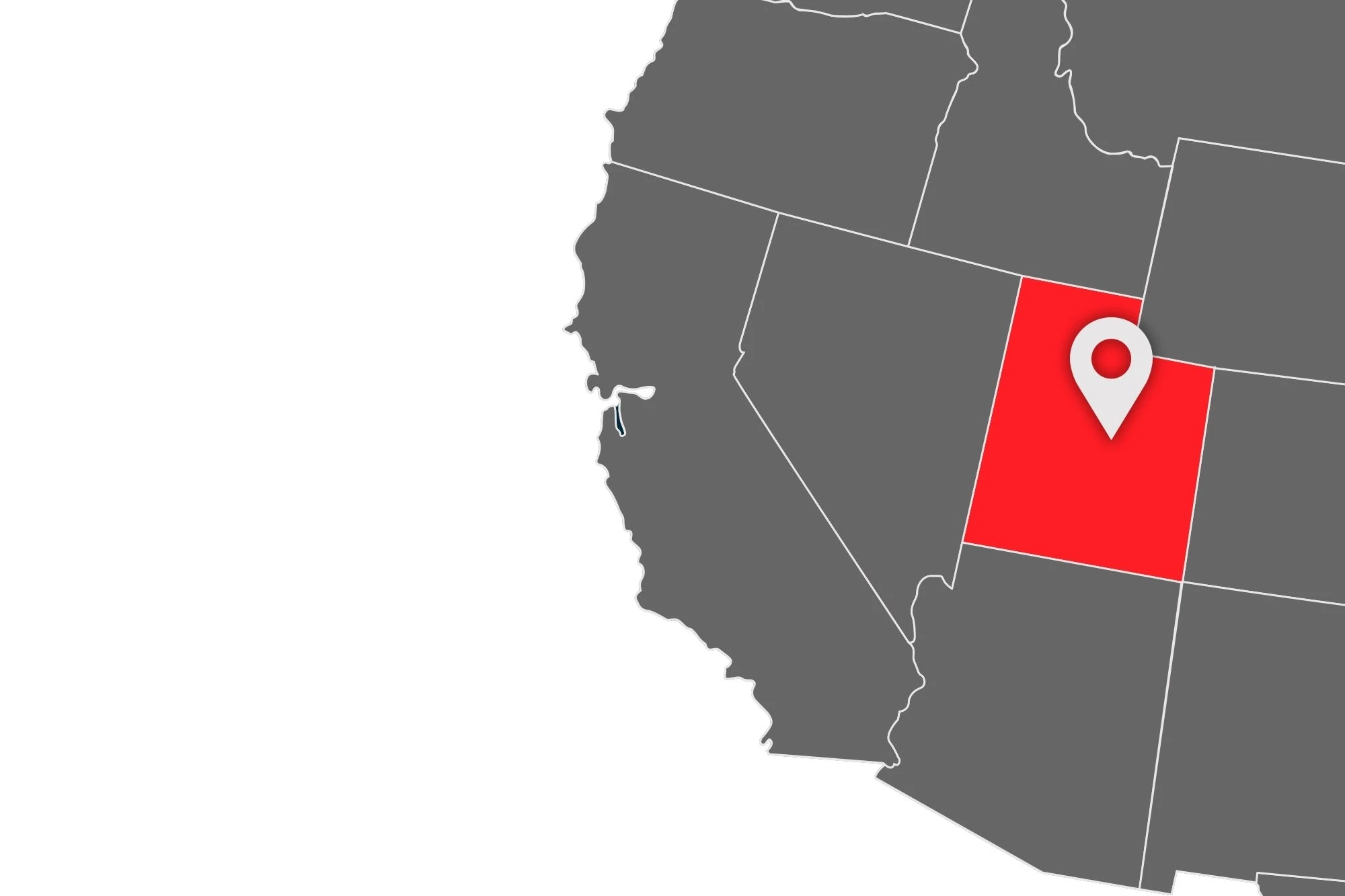
Any facility generating medical or hazardous waste should refer to Utah’s Department of Environmental Quality, Division of Solid and Hazardous Waste for up-to-date regulations regarding its collection and disposal processes. Why? The agency provides numerous guidelines for:
- Hazardous waste
- Examples of hazardous waste pharmaceuticals
- Generator training
- Healthcare waste inspection checklists
- Very small generator and large quantity generator fact sheets
It is your responsibility to know these rules to stay compliant.
Defining hazardous waste in Utah
Some states provide broad definitions of waste. In Utah, the term infectious is also synonymous with hazardous. Definitions are important, especially when it comes to healthcare waste. Such waste can also be biohazardous in nature depending on its components per Utah’s Administrative Code (UAC) R315-316. The type and volume of hazardous waste produced will determine your generator status.
Determining generator status
Utah follows the guidance of the Environmental Protection Agency (EPA) in determinations of generator status. Guidelines can be found in Title 40 of the Code of Federal Regulations (CFR) 262.11 and Part 268.
Hazardous waste generators are required to obtain an EPA identification number, which is done through completion of EPA Form 8700-12: Notification of Regulated Waste Activity. It’s also known as a Site ID Form. Utah generators can obtain this form from the Department of Environmental Quality in Salt Lake City.
In Utah, you are identified as a large quantity generator (LQG) if you produce more than 2,200 pounds of non-acute hazardous-waste or more than 2.2 pounds of acute hazardous waste every calendar month.
Hazardous-waste pharmaceuticals and biohazard waste
Utah’s DEQ Waste Management and Radiation Control Division also provides examples of hazardous waste pharmaceutical codes per the Resource Conservation and Recovery Act (RCRA) – which the state follows.
Sharps are to be isolated in puncture-resistant, rigid, and leak-proof containers. Such containers are to be red or orange in color, or otherwise clearly marked with the international biohazard sign and appropriate labeling such as biohazard, infectious, or biomedical waste.
Biohazardous waste can be stored as long as it separated from other waste streams, ventilated to the outside and only accessible to authorized personnel. Warning signs must be prominent. Infectious waste that is stored longer than seven days must be done so at below 40°F (5°C).
Don’t guess. It is the responsibility of waste generators to know and follow the laws. Turn to guidance with an experienced waste management company like MCF Environmental Services. With over three decades of expertise in hazardous and medical waste management processes, we focus on safety and compliance.