MCF Environmental Services have been serving medical clinics, laboratories, education institutions and local businesses for more than 31 years, offering specialist waste collection and disposal services for hazardous and non-hazardous waste streams.
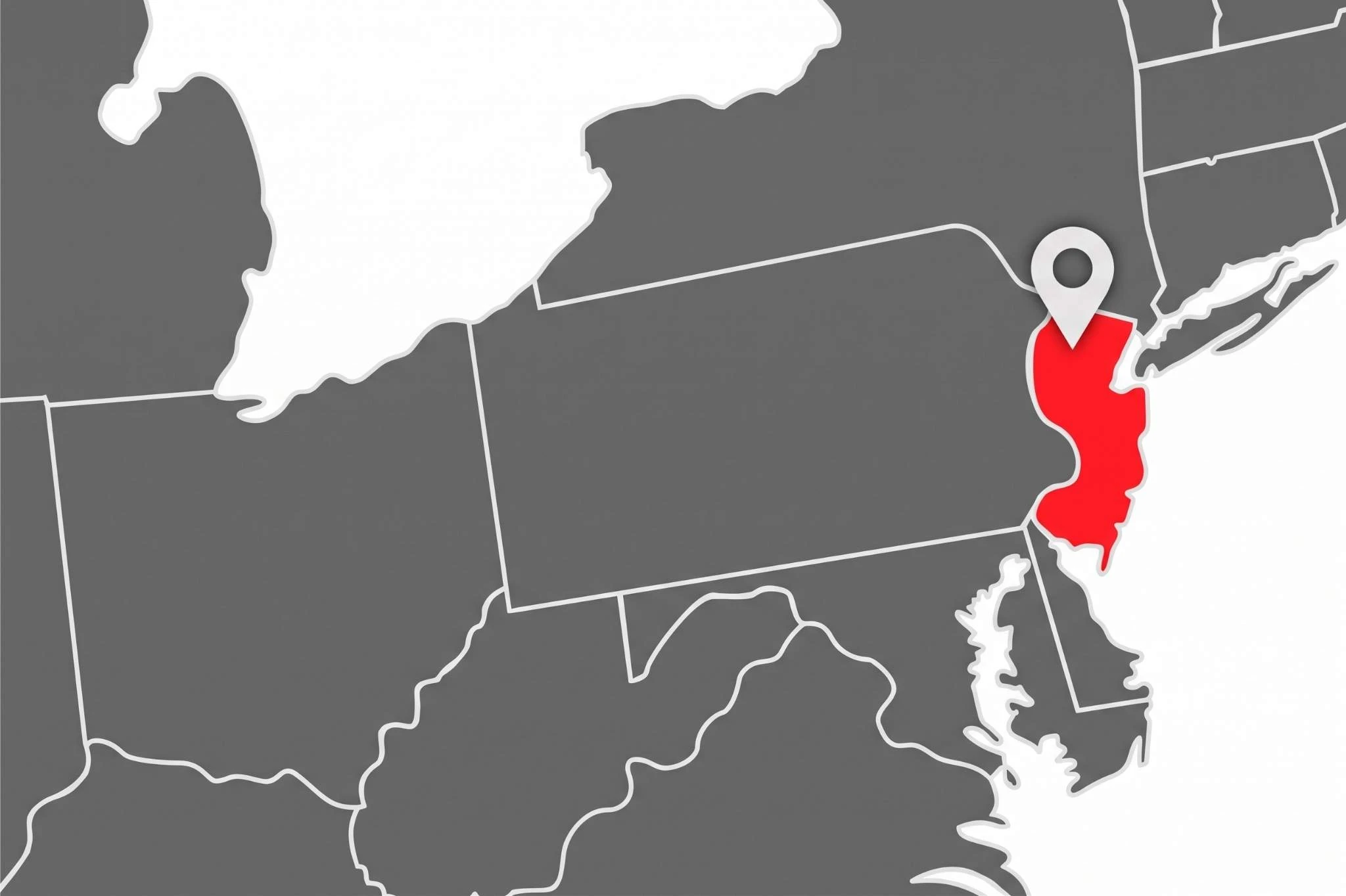
In the U.S., all medical waste must be segregated correctly. New Jersey’s Department of Environmental Protection provides guidelines for medical waste storage requirements, treatments, and transportation options.
Start with definitions to ensure proper waste segregation
New Jersey’s solid waste regulations (N.J.A.C. 7:26 Subchapter 3A: Regulated Medical Waste) provides detailed and specific definitions to help healthcare professionals identify waste streams.
For example, “blood products” imply blood and its components such as platelets, blood plasma, and red or white blood corpuscles. The definition of an “infectious agent” implies any organism such as virus or bacteria capable of causing disease or adverse health impacts. Medical waste is defined as any solid waste “generated in the diagnosis, treatment, or immunization of human beings or animals…”
Waste generators are also responsible for ensuring that waste treatment and disposal facilities are compliant with the guidelines of New Jersey state laws. This is the ‘cradle-to grave’ approach to medical waste.
Hazardous waste management
New Jersey’s Bureau of Hazardous Waste Compliance and Enforcement adheres to the guidelines of the Resource Conservation and Recovery Act (RCRA). The bureau also enforces the proper identification and collection, transport and treatment, and ultimate disposal of hazardous waste through approved state measures such as incineration, autoclave, and so forth.
All hazardous waste generators must register with the Environmental Protection Agency (EPA) and comply with federal packaging, storage, and labeling requirements. Information regarding annual fees for various hazardous quantity generators can be found here.
Hazardous waste generator classifications in New Jersey
In New Jersey, a very small quantity generator accrues a volume of less than 2,640 pounds of hazardous waste in a calendar year. A small quantity generator generates between 2,640 and 26,400 pounds of hazardous waste annually. A large quantity generator produces 26,400 pounds or more of hazardous waste or more than 2.2 pounds of acutely hazardous waste in a year. Annual fees differ depending on classification.
New Jersey’s Department of Environmental Protections Division of Solid and Hazardous Waste provides easy access to PDF documents regarding rules for solid and hazardous waste stream management.
All rules that apply to New Jersey’s hazardous waste regulations are found in the state administrative code 7:26G-1.
Refer to the Hazardous Waste Compliance and Enforcement Program for compliance advisories in regard to hazardous waste issues, as these are updated frequently.
It is the responsibility of every facility producing medical or hazardous waste to not only know, but to comply with state and federal laws regarding waste management and disposal processes. Turn to an experienced waste management company like MCF Environmental Services; with over three decades of experience we are the experts in waste compliance and safety.