MCF Environmental Services have been serving medical clinics, laboratories, education institutions and local businesses for more than 30 years, offering specialist waste collection and disposal services for hazardous and non-hazardous waste streams.
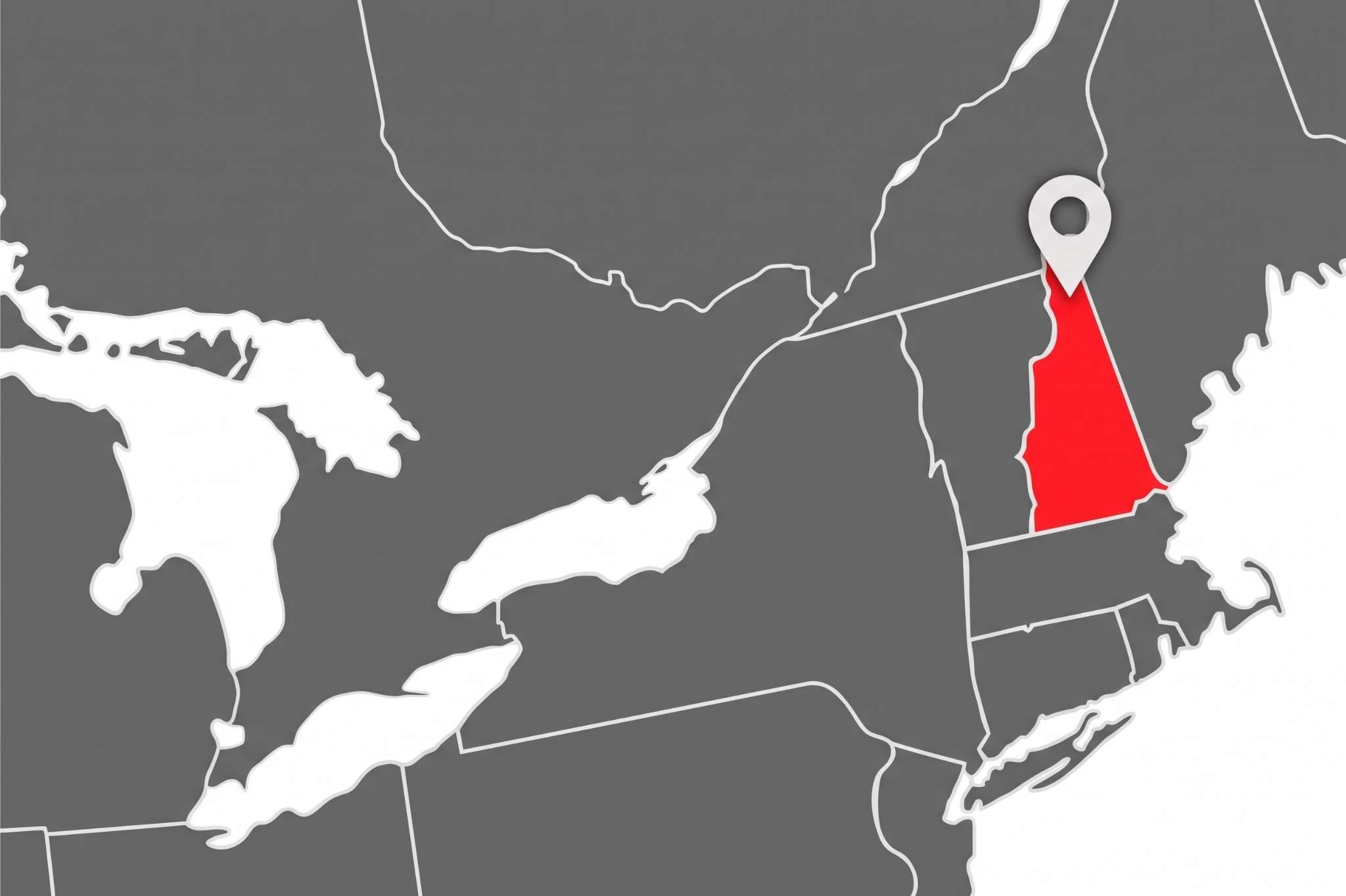
The state of New Hampshire generates roughly 12 million pounds of hazardous waste every year. The law states that hazardous waste implies any solid, semi-solid, liquid, or contained gaseous waste or any combination of such wastes that might cause an increase in mortality or a threat to human health or the environment if it is mismanaged.
All facilities, regardless of type of business or size, should be aware of New Hampshire’s hazardous waste regulations. Such knowledge can reduce the risk of fines, penalties or damage to reputation for improper hazardous waste management. The regulations apply to waste – medical or industrial – that has the potential to be hazardous.
Hazardous waste management in New Hampshire
What exactly does hazardous waste management in New Hampshire mean? It means ‘the systematic control of the generation, collection, sorting, storage, processing, treatment, recovery and disposal of hazardous waste.’ (New Hampshire Revised Statutes Title X – Public Health, Chapter 147-A)
Partnering with a hazardous waste company can help when it comes to not only finding but navigating state and federal laws. Reduce the risk of unknowingly breaking regulations just because the laws are difficult to find. Know how to access procedural rules for e-manifests related to hazardous wastes in the state. Know that waste transporters are to follow federal Department of Transportation (DOT) regulations for hazardous materials.
The state’s Code of Administrative Rules for hazardous waste management are lengthy and detailed. Knowledge of hazardous waste determination methods, characteristics of hazardous waste is vital – and is the responsibility of the waste generator.
Turn to experts in the field of hazardous medical and industrial waste to properly and accurately complete necessary forms, documents, and permits as required by state and federal laws.
Know the laws of the state
New Hampshire’s hazardous waste rules are located in several areas, such as state statutes (RSA 147A through 147-D) and those of the state’s Department of the Environmental Services (DES). Documents accessible from the DES include identifying hazardous waste (HW-11) and a ‘determination of hazardous waste checklist’ to be used by facilities that generate any hazardous medical or industrial waste.
MCF Environmental Services promotes safety and compliance when dealing with hazardous waste and provides customized services, products, resources, and guidance for hazardous waste management processes and procedures in New Hampshire.