MCF Environmental Services have been serving medical clinics, laboratories, education institutions and local businesses for more than 31 years, offering specialist waste collection and disposal services for hazardous and non-hazardous waste streams.
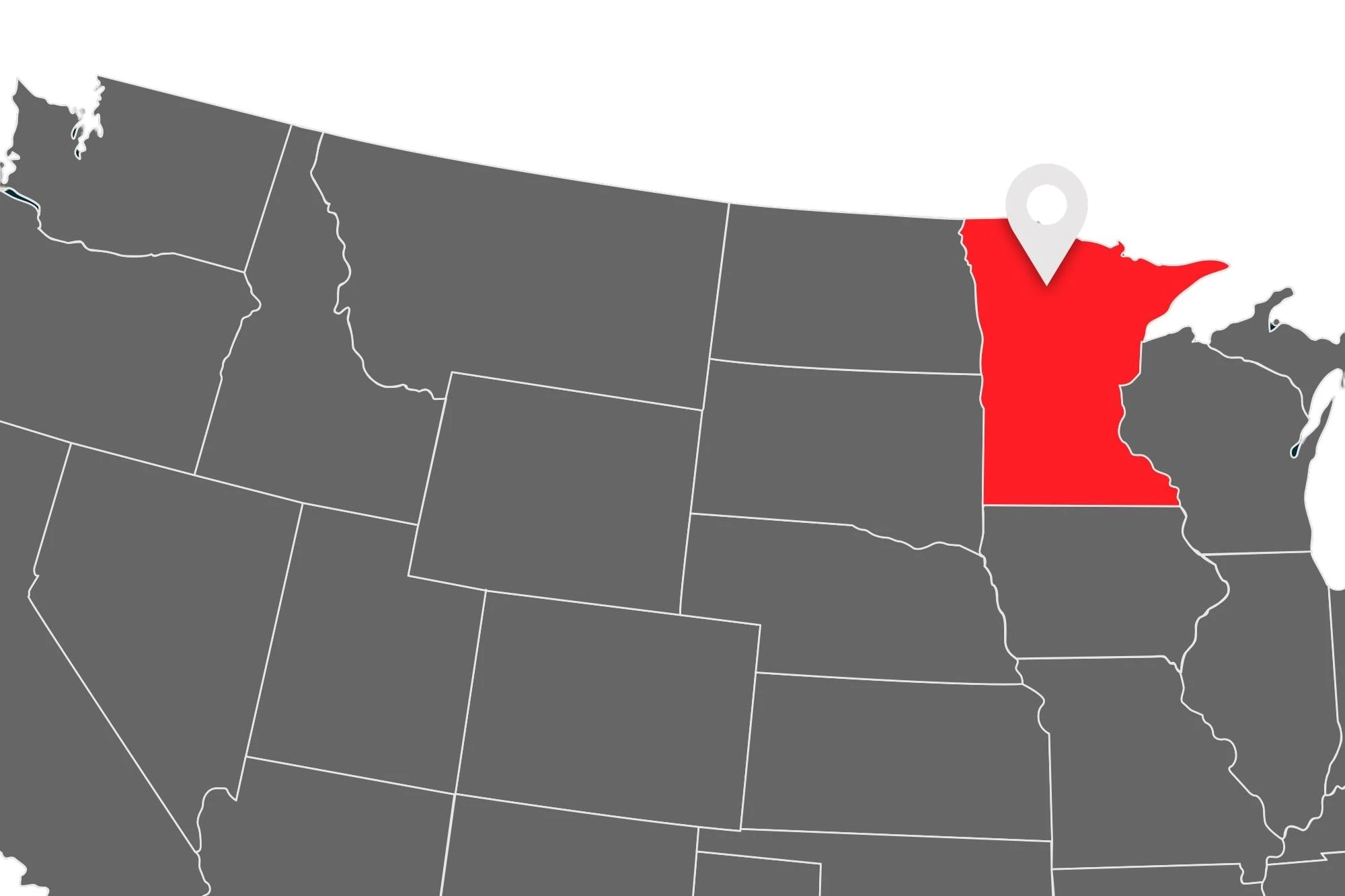
Never underestimate the importance of healthcare or industrial waste rules in Minnesota.
Know the difference between infectious, pathological, regulated medical waste, and hazardous waste. In the state, hazardous waste adopts the EPA’s Resource Conservation and Recovery Act (RCRA) definition in regard to such waste in that it can “significantly contribute to an increase in death or serious illness or pose a substantial risk to human health or the environment due to their physical or chemical characteristics if improperly managed.”
Minnesota’s infectious waste management rules are found under their code of regulations (MR) 7035.9100 through 7035.9150. Within these rules, any waste generator in Minnesota will find specific definitions, segregation and packaging rules, and labeling rules for healthcare waste management processes.
Hazardous waste regulations are found in MR Chapter 7045 – Hazardous Waste.
Identifying hazardous waste
Identification of hazardous waste is also vital. Review P-list and F-list acute hazardous waste, and U-listed hazardous wastes available from the Minnesota Pollution Control Agency. The state has adopted the federal list of hazardous and acutely hazardous substances, which can be found on the EPA website.
The Minnesota Pollution Control Agency oversees regulations pertaining to hazardous waste generators and follows the guidelines of the RCRA when it comes to treatment, storage, and disposal of such waste.
Minnesota provides a ‘10 Steps to Compliance’ document as well as forms that enable infectious or hazardous waste generators in healthcare facilities or other industries to evaluate their waste, determine their generator status or size, and how to obtain a hazardous waste identification number, required for tracking of hazardous waste from point A to point B.
Determining waste generator status
In Minnesota, waste generators fall under five categories based on the volume of hazardous waste generated within a calendar month. A summary of each generator size can be found here.
Storage of hazardous waste
A Summary of Hazardous Waste Requirement of the Minnesota Pollution Control Agency and other information regarding storage of waste can be found here. All containers storing hazardous waste must be labeled as ‘Hazardous waste’. Hazardous waste may be stored at a site up to the following time frames and limits:
| MiniQG or Very small quantity generator (VSQG) |
2,200 pounds |
Indefinitely until the accumulation exceeds 2,200 pounds, then for 180 days |
| Small quantity generator (SQG) |
6,600 pounds |
180 days from the accumulation start date |
| Large quantity generator (LQG) |
Any amount |
90 days from the accumulation start date |
Turn to the experts at MCF Environmental Services for guidance on Minnesota’s hazardous healthcare and industrial waste as well as creation of sustainable and cost-effective solutions for all your waste management needs.