MCF Environmental Services have been serving medical clinics, laboratories, education institutions and local businesses for more than 31 years, offering specialist waste collection and disposal services for hazardous and non-hazardous waste streams.
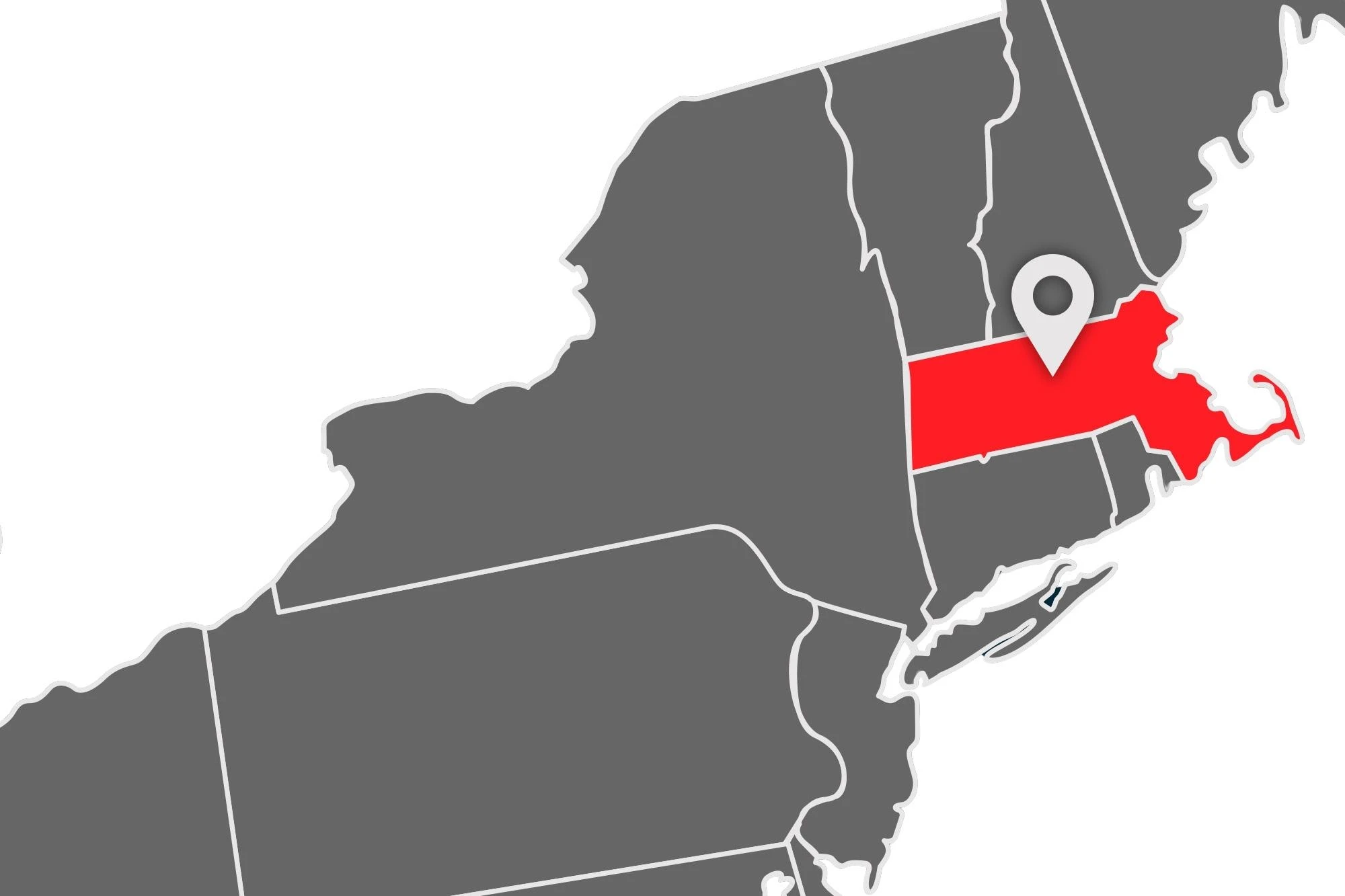
Do you know who is responsible for compliant medical and/or hazardous waste management in Massachusetts? You are. Are you compliant?
In the state of Massachusetts, the Department of Health is the oversight agency for medical or biological waste management. The state’s Department of Environmental Protection (DEP) also provides minimum requirements for storing, treatment of, transportation, and ultimate disposal of biological and other medical wastes as well as generation, transportation, and disposal of hazardous waste.
Know where to look for the rules
Detailed information regarding hazardous waste regulations in Massachusetts are found in their Code of Massachusetts Regulations. The DEP relies on 310 CMR 30.000 for the state’s hazardous waste regulations. While it is daunting at just over 500 pages, topics are broken down into sections for easier searching and review. For example:
- 061: Who Must Notify And Obtain An EPA Identification Number
- 102: Methods Of Identification Of Hazardous Wastes
- 120: Characteristics Of Hazardous Waste
- 130: Lists Of Hazardous Wastes
- 222: Generator Standards
Generator status (very small, small, large) is determined by the amount or volume of hazardous waste accumulated within a calendar month. Rules are applicable for each status in regard to record-keeping, training requirements, and storage and accumulation limitations.
Massachusetts closely follows the guidelines of the Resource Conservation and Recovery Act (RCRA) for hazardous waste management. As such, Massachusetts has applied to the EPA for final authorization of its own revisions to the hazardous waste program under the act, which will receive its final authorization in March 2022.
Minimum requirements for storage
All waste generators in the state should be familiar with the requirements for storage, treatment, disposal, and transportation of medical, biological, and hazardous waste in the state. The Department of Public Health published 105 CMR 650.000: Hazardous Substances, which lists toxic substances, irritants, and banned hazardous substances in the state.
105 CMR 480.100 covers requirements for on-site storage areas and how biohazard or biomedical waste is to be labeled. Sharps are to be segregated from other wastes and placed into red, fluorescent orange, or similar rigid, puncture-resistant, leak-proof, and shatter-proof containers and marked with the universal biohazard warning symbol and the word “biohazard” marked in a contrasting color.
Shipping papers are required by all waste generators prior to shipment of waste off-site (105 CMR 480.400) and documentation of transfer and ultimate disposal of waste is to be made through paper or electronic tracking forms approved by the department (105 CMR 480.425).
MCF Environmental Services provides customized services to ensure compliance in waste stream management utilizing sustainable and cost-effective processes that protect not only the public, but the environment.