MCF Environmental Services have been serving medical clinics, laboratories, education institutions and local businesses for more than 31 years, offering specialist waste collection and disposal services for hazardous and non-hazardous waste streams.
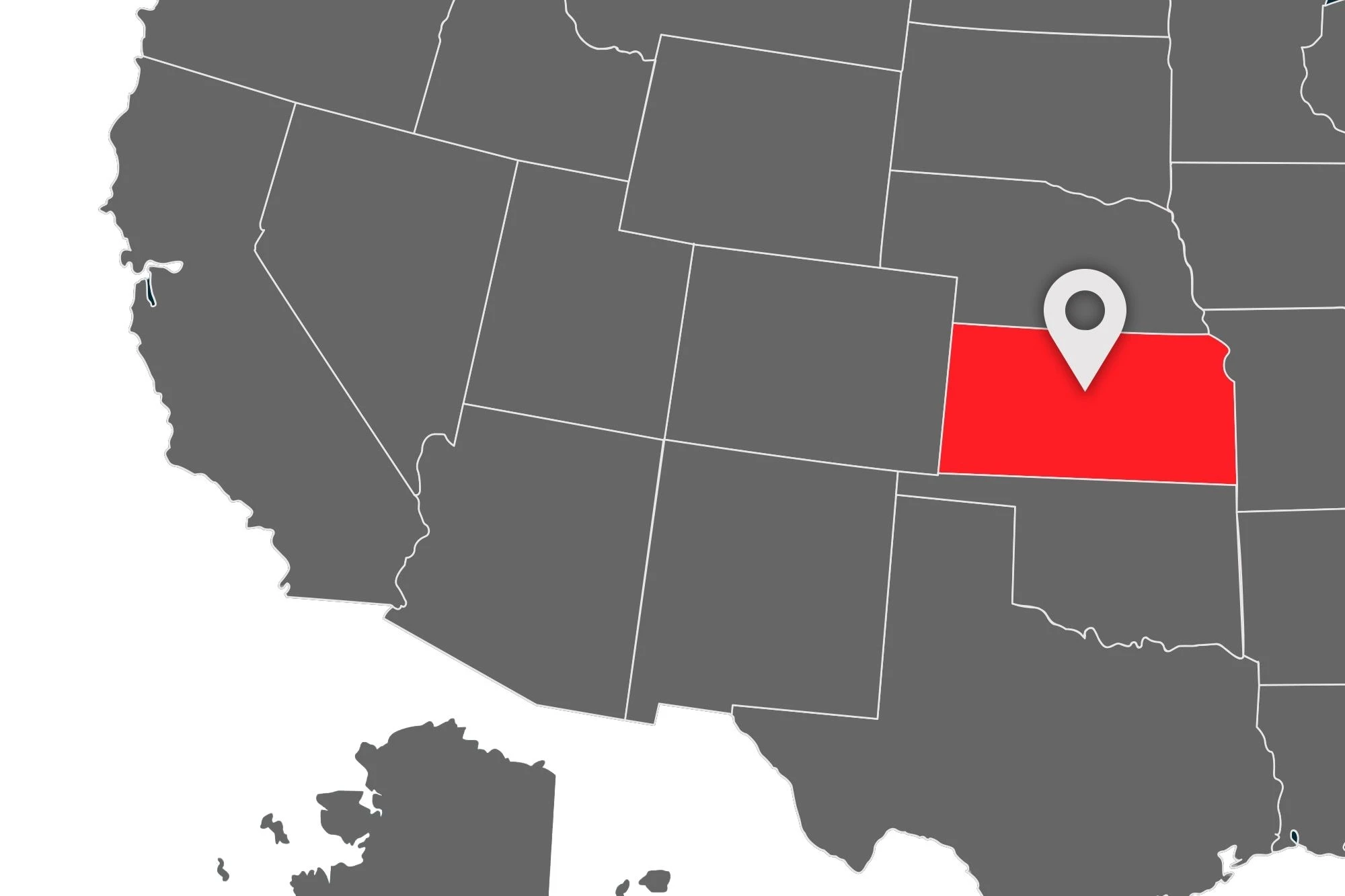
It’s the responsibility of all generators producing hazardous waste to know the laws when it comes to hazardous medical or industrial waste segregation, storage, and disposal. This is known as the ‘cradle-to-grave’ approach. Since 1985, the Kansas Department of Health and Environment (KDHE) has administered the EPA’s hazardous waste management program in the state.
Be aware that in the state of Kansas, hazardous waste must first be classified as a solid waste. It must also be potentially harmful to either human health or the environment. Making hazardous waste determinations can be complicated, so we recommend expert guidance in navigating those documents.
Statutes and regulations applicable to generators of hazardous waste in Kansas can be found under the Kansas Division of Environment and the Bureau of Waste Management. Even so, they are often confusing. Turning to a trusted hazardous or medical waste disposal provider can clarify the ‘cradle-to-grave’ approach to waste management processes.
If you haven’t already, familiarize yourself with the Hazardous Waste Generator Handbook: A Guide to Complying with Kansas Hazardous Waste Generator Regulations) published by the KDHE. Every employee should be able to identify hazardous waste.
Characterizing Hazardous Waste
The primary characteristics of hazardous waste are those that include certain components such as ignitability, corrosivity, reactivity, and toxicity.
Hazardous wastes can be found under listings of the EPA’s list of hazardous waste (F, K, P, or U) which are further defined and explained in Code of Federal Regulations Title 40, Sections 261.31 through 261.33.
The state of Kansas also specifies that medical wastes be collected on a daily basis from the generator for transport to a compliant storage and disposal area or a processing facility. Healthcare facilities can obtain authorization for medical waste to be transported separately to a municipal solid waste landfill.
Do you know how much hazardous waste your business produces? In Kansas, a small quantity generator (SQG) is defined as a facility that generates between 55 and 220 pounds of hazardous waste in a calendar month. You must obtain an EPA identification number from the KDHE and accurately complete all forms and documents for compliance.
MCF Environmental Services has experience in demystifying highly regulated waste management laws. With over three decades of experience, we provide expertise, products, and customized services to meet your hazardous medical and industrial waste needs.