MCF Environmental Services have been serving medical clinics, laboratories, education institutions and local businesses for more than 30 years, offering specialist waste collection and disposal services for hazardous and non-hazardous waste streams.
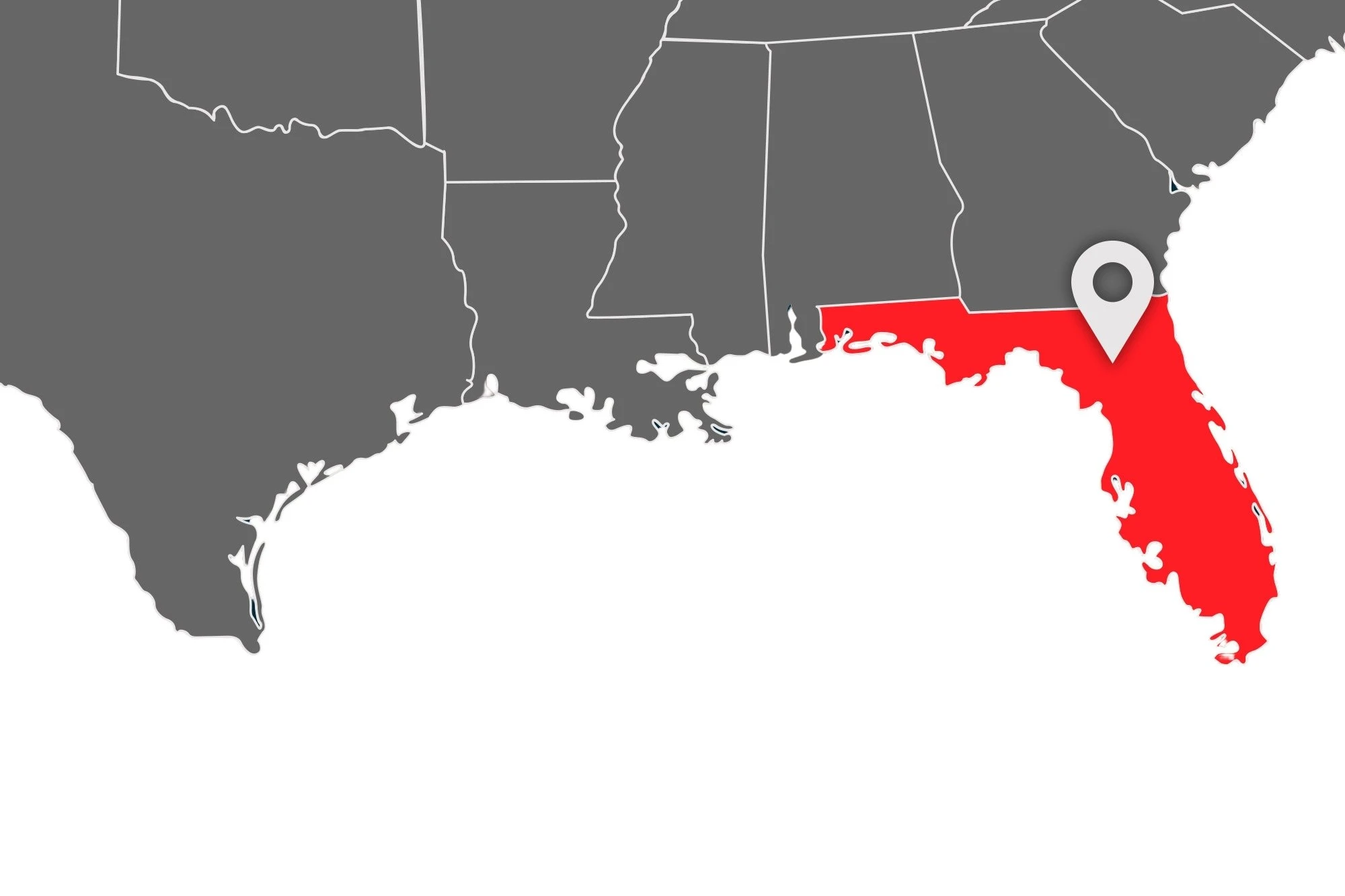
Numerous agencies in Florida oversee hazardous medical and industrial waste throughout the state. The Department of Environmental Protection (DEP) and Florida’s Department of Health, in addition to Florida’s Administrative Codes provide guidance for healthcare and industrial waste streams. We know that new statues and revisions often complicate matters. The state of Florida administers its own hazardous waste management and regulatory oversight based on the regulations of the Resource Conservation and Recovery Act (RCRA) and Florida’s DEP oversees all hazardous waste regulations.
How does Florida define hazardous waste? Florida identifies hazardous waste per the definitions of Federal Code of Regulations Title 40, Part 261 (Identification and listing of hazardous waste). Hazardous waste is identified by a number of characteristics found in section 261.10 – meaning that such a waste can “cause, or significantly contribute to, an increase in mortality or an increase in serious irreversible, or incapacitating reversible, illness” or “pose a substantial present or potential hazard to human health or the environment when it is improperly treated, stored, transported”, or otherwise managed and/or disposed of.
Tips for compliant waste management in Florida Hazardous waste is identified by one or more of four primary characteristics: toxicity, ignitability, corrosivity, and reactivity. If in doubt, turn to experts for identification of potentially hazardous medical or industrial waste produced by your facility or business. Be aware that EPA identification numbers are required before any activity that produces hazardous waste.
Healthcare providers or any facility generating biomedical waste must obtain a generator application through Florida’s Department of Health. You can find the guidelines here.
While the majority of biomedical waste is not hazardous, biohazardous waste containing infectious, radioactive, toxic, or other harmful microorganisms that can negatively affect humans and must be properly segregated, stored, handled, and transported. Any biomedical waste that is mixed with a hazardous waste should be handled and managed as a hazardous waste. Our team at MCF Environmental Services has decades of experience providing local and trusted hazardous and biomedical waste management; providing waste pickup scheduling that suits individual facility needs, and packaging and treatment expertise that is second to none. Whether a single pickup of hazardous materials or a quarterly biomedical waste pickup schedule, let us help you navigate the complexities of federal and state laws to ensure your facility is compliant with Florida’s Department of Environmental Protection.